Is Snorkeling Safe in St Thomas Safety Tips Faqs
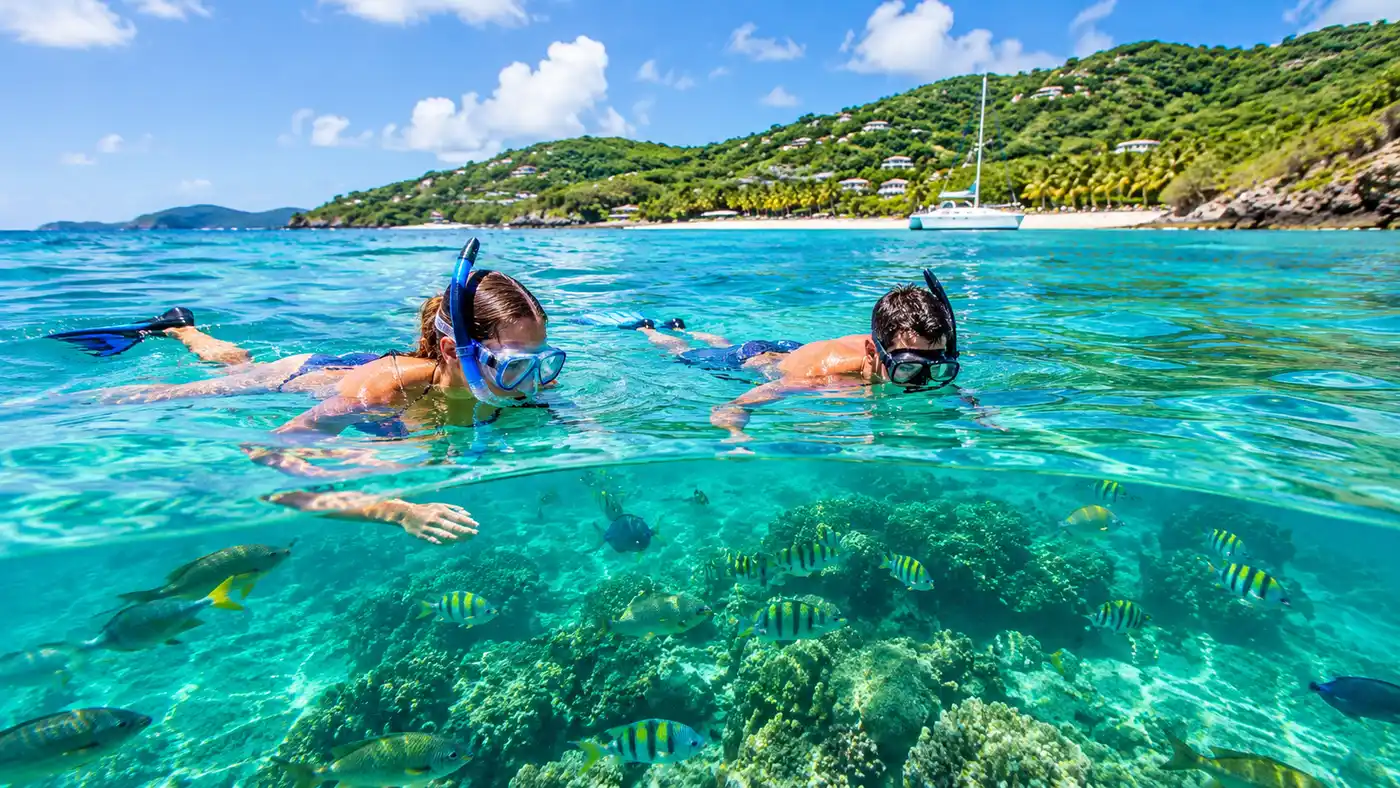
If you find yourself wondering whether is snorkeling safe in st thomas, the short answer is yes, absolutely, provided you respect the ocean. The water is clear, warm, and generally forgiving across most sheltered bays. Still, the Caribbean is wild nature, not a chlorinated resort pool, so things happen when people stop paying attention.
Every year, thousands of people slip into the turquoise bays around St Thomas without a single scratch. A small handful run into trouble, mostly from avoidable mistakes like fighting a sudden rip current, touching fire coral, or getting dehydrated under a brutal midday sun. Snorkeling on St Thomas USVI offers some of the most accessible marine encounters in the Caribbean, but keeping it fun requires a healthy dose of common sense, an eye on the weather, and an honest assessment of your swimming stamina.
Book your snorkeling in st thomas experience:
Understanding Ocean Conditions and Currents in St Thomas
The island sits right between the Atlantic Ocean on the north and the Caribbean Sea on the south. That geographical spot shapes everything you experience in the water. North-facing beaches like Hull Bay or Mandahl can get pounded by heavy winter swells that roll down from cold fronts off the US East Coast. Those waves look great to local surfers, yet they turn a casual snorkeling session into an exhausting tumble cycle. South and east shore bays tend to stay much flatter during those same months.
Tides here are small, rarely shifting more than a foot or two throughout the day. You will not have to worry about raging tidal bores sweeping you into the open sea. Wind is another story entirely. When the winter trade winds kick up above 18 knots, eastern points like Sapphire Beach pick up surface chop. Choppy water makes breathing through a snorkel tube tricky because water sloshes over the top rim. You swallow a mouthful of brine, cough, panic, and suddenly a fun morning feels dangerous.
Rip currents happen occasionally, mostly around cuts in the reef or where waves break over shallow bars and drain back out to sea. If you feel water pulling you away from the shore, never swim straight against it. Swim parallel to the beach until the pull weakens, then angle your way back toward the sand. It sounds easy on paper. When you are tired, though, staying calm takes actual mental effort.
Pro tip: Check the local marine weather forecast on Windfinder before driving out. Look for wave heights under three feet and wind speeds below 12 knots for the calmest, glassiest surface conditions.
Sea Life Encounters: What to Actually Worry About
Most visitors ask about sharks before they even unpack their bags. You might see a nurse shark tucked under a coral ledge or a juvenile reef shark patrolling the seagrass. They do not want anything to do with you. They see humans as noisy, splashing giants emitting awkward bubble clouds. Leave them alone, keep your distance, and they will glide away.
The creatures that actually ruin vacations are far smaller, and they rarely move. Sea urchins - specifically the long-spined black variety - live wedged inside rock crevices and coral heads. Stepping on one sends brittle, needle-sharp spines deep into your foot. They snap off below the skin, fester, and hurt like hell for days. Fire coral is another sneaky culprit. It looks like harmless mustard-yellow plating or smooth antler-like branches. Brush your bare thigh against it while chasing a blue tang and you will feel an immediate, searing burn that turns into an itchy welt by dinner.
Barracudas look terrifying with their underbites and dagger teeth. They love following snorkelers around, hovering five feet away in the shadows. Honestly, they are just curious scavengers waiting to see if you stir up an easy meal. Remove shiny silver watches, diamond rings, and metallic jewelry before getting wet. A flash of silver in murky water resembles an injured baitfish, and an inquisitive strike is the last thing you want on vacation. To read more about what lives out there, check out our guide to St Thomas marine life.
Note: Never touch, chase, or feed sea turtles anywhere in the US Virgin Islands. Federal law under the Endangered Species Act strictly protects them, and getting too close can trigger hefty fines along with unnecessary stress for the animals.
Safety Comparison: The Best and Worst Beaches for Calm Water
Not all beaches on the island offer the same margin for error. Some feature dead-calm shallows ideal for toddlers, while others demand strong fin kicks and ocean awareness. Knowing where to go based on your comfort level is half the battle for general St Thomas safety.
| Beach Name | Usual Conditions | Lifeguard on Duty | Entry Type | Best Skill Level |
|---|---|---|---|---|
| Secret Harbour | Calm, protected cove | No | Soft sand, gradual drop | Beginner / Family |
| Coki Beach | Calm, clear water | Yes | Gentle sand slope | Beginner |
| Sapphire Beach | Breezy, moderate chop | No | Sand with rocky ledges | Intermediate |
| Hull Bay | Swells, strong surge | No | Rocky cobblestone | Advanced |
| Magens Bay | Flat, swimming pool calm | Yes | Soft gradual sand | Beginner (Limited coral) |
For zero-stress floating, Secret Harbour Beach remains my favorite recommendation. The rocky arms of the bay buffer the swell, so you can float for an hour without fighting surge. If you want pristine sand and easy fish sightings right off the shore, Coki Beach is also tough to beat, though it gets packed when cruise ships dock in Charlotte Amalie.
Book your snorkeling in st thomas experience:
Practical Snorkeling Safety Tips for St Thomas
Staying out of trouble in the water comes down to a few basic habits. People who get into trouble usually break two or three rules at the same time, like drinking rum punch at lunch, swimming out alone, and forgetting fins.
- Always swim with a buddy: Never snorkel alone, even in water where you can stand up. Cramps happen, mask straps snap, and sudden disorientation can strike anyone. Having someone within arm's reach changes everything.
- Watch for boat traffic: Speedboats, catamarans, and dinghies zip through bays near moorings. If you venture beyond the designated swimming buoys, tow a bright orange inflatable dive flag float so captains can spot your head above the waves.
- Check your gear before leaving shallow water: Spit in your mask or use defog, fit it firmly against your face without hair trapped in the skirt, and practice breathing while your feet are still on the sand. Adjusting gear in eight feet of choppy water is exhausting.
- Keep an exit point in sight: Currents can drift you 200 yards down a shoreline before you realize it. Periodically lift your head, spot an identifiable tree or beach umbrella, and make sure you can swim back without exhausting your legs.
Another overlooked hazard is dehydration. You do not feel yourself sweating when you are immersed in 81-degree seawater, but your body dumps fluids constantly. Add strong Caribbean sunshine and rum drinks from beachside bars, and you get muscle cramps that lock up your calves mid-swim. Drink at least a quart of plain water before heading into the water.
Gear Safety and Sun Protection in the Virgin Islands
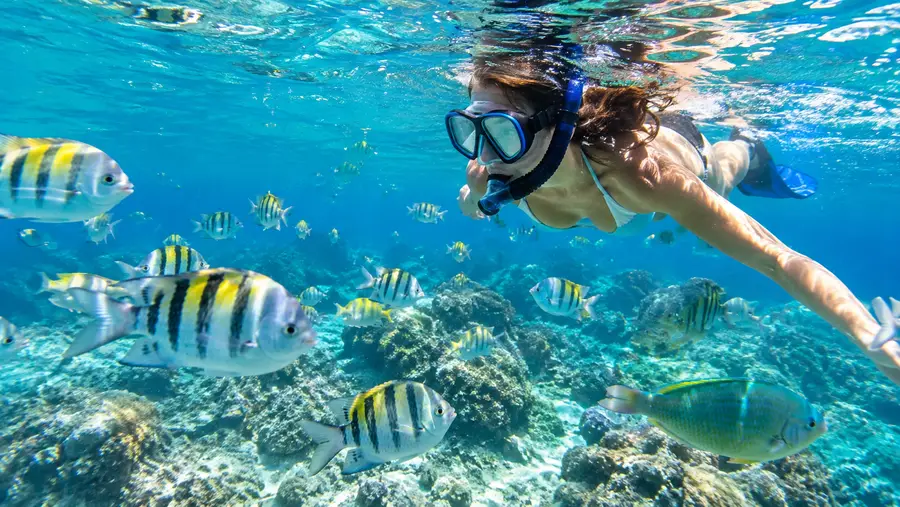
Cheap gear ruins good trips. Those discount snorkel sets from generic big-box stores often feature stiff plastic skirts that leak constantly and dry snorkels that jam shut when you tilt your head back. Invest in a mask with supple silicone skirts. A decent pair of fins is non-negotiable if you plan on exploring reefs more than twenty yards out. Fins give you the propulsion needed to glide against gentle currents without burning all your oxygen.
Full-face snorkel masks deserve a frank warning. While some casual swimmers love the wide view, several models have been linked to carbon dioxide buildup during heavy exertion. If water enters a full-face mask, clearing it while swimming is awkward and can induce immediate panic. A standard two-piece mask and snorkel remains the safer, more dependable choice for everyone.
- Wear a rash guard: The sun in St Thomas sits directly overhead for most of the year. Your back and the backs of your thighs are exposed to intense UV rays while you float. A long-sleeve UPF 50+ shirt prevents severe burns far better than lotion that washes off.
- Use mineral sunscreen only: USVI law prohibits the sale or use of sunscreens containing oxybenzone, octinoxate, or octocrylene. Pack non-nano zinc oxide or titanium dioxide formulas to protect both your skin and the living coral polyps below.
- Consider a lightweight snorkel vest: Inflatable vests are not just for kids. If you get tired or want to adjust your mask, puffing a little air into the vest lets you rest effortlessly on the surface without treading water.
Footwear matters when entering the ocean. Many St Thomas reefs begin right at the shoreline where the sand transitions into limestone rock. Water shoes or adjustable fins worn over neoprene booties prevent painful scrapes and urchin punctures when you shuffle out past the shore break.
Frequently Asked Questions about is snorkeling safe in st thomas
Are there shark attacks while snorkeling in St Thomas?
Shark attacks in St Thomas are exceptionally rare. The Virgin Islands have recorded almost zero unprovoked attacks over modern history. You may see harmless nurse sharks sleeping under ledges, but they ignore swimmers.
Can beginners snorkel safely on St Thomas?
Yes. Beaches like Secret Harbour, Coki Point, and Magens Bay offer calm, shallow waters with very little current. Beginners can stand comfortably in waist-deep water and still see schools of sergeant majors and tangs.
Is the water warm enough to snorkel without a wetsuit?
Water temperatures range between 78 degrees in February to around 84 degrees in September. Most people stay comfortable in just a swimsuit or a thin sun rash guard year-round.
Do I need to worry about jellyfish in St Thomas?
Jellyfish are not a constant problem, though small moon jellyfish or sea thimbles occasionally drift in during late spring and summer. Stings are usually mild, but wearing a rash guard provides an effective physical barrier.
Quick Reference
- Water temps: 78°F to 84°F year-round
- Top calm beaches: Secret Harbour, Coki Beach
- Main hazard: Sea urchins and sun exposure
- Sunscreen law: Mineral-only (non-nano zinc/titanium)
- Emergency number: Dial 911 for USVI emergency dispatch
Book your snorkeling in st thomas experience:
The Bottom Line
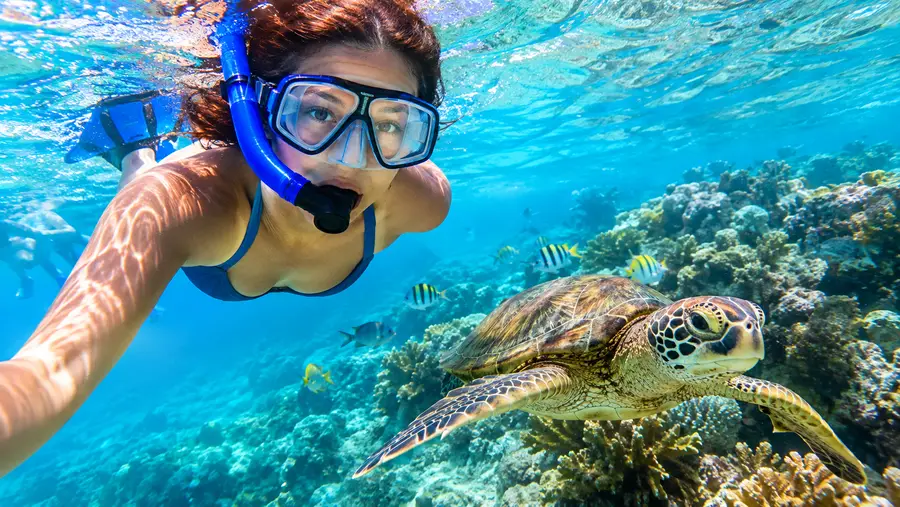
Snorkeling around St Thomas gives you front-row seats to wild stingrays, gliding sea turtles, and vibrant parrotfish without needing a scuba license. The risks are real, yet they are almost entirely within your control. Pick calm bays on windy days, keep your hands off the coral heads, stay well-hydrated, and never swim without a partner watching your back. Treat the ocean with the respect it deserves and you will have an unforgettable time exploring these pristine reefs.
Read more about snorkeling in st thomas.